
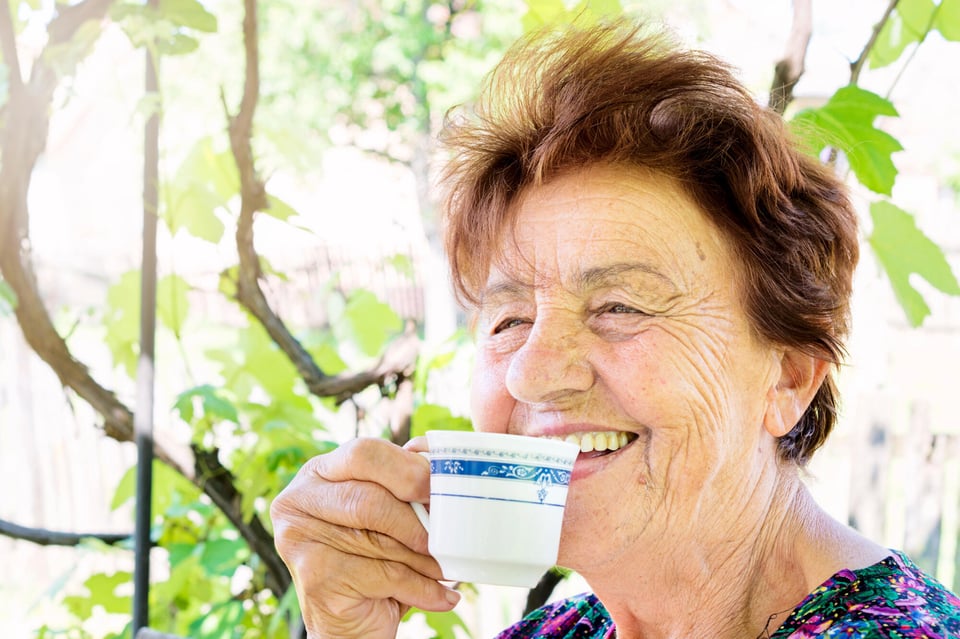
At Morada Grand Prairie, daily life feels like home because routines stay familiar, personal choice is respected, and support stays quietly in the background. Residents in Grand Prairie, TX, keep control over their schedules, spaces, and relationships, which replaces the feeling of being cared for with the feeling of belonging. Comfort comes from consistency, not from constant reminders of care.
On a typical afternoon, a new resident walks in expecting something clinical and instead notices laughter drifting from a common area and doors left open for casual conversation. The atmosphere shifts expectations almost immediately. What was supposed to feel like a transition starts to feel like a continuation of the life they already know, just with fewer worries.
Private Apartments for Aging with Dignity
Private apartments play a central role in the resident experience. Having a personal space that is fully their own reinforces independence and provides a sense of control that many people associate with home.
Doors close when privacy is needed, routines unfold without interruption, and daily life happens on the resident's terms rather than around a shared schedule.
These apartments are designed to support comfort and function while still feeling residential. Familiar furniture and personal mementos transform the space into something deeply personal in assisted living in Grand Prairie. This ability to shape one's environment helps residents preserve identity and continuity, which is especially important during life transitions.
Activities in Daily Life for Seniors
Activities feel most natural when they are woven into everyday routines rather than treated as scheduled obligations. Daily life includes moments of movement, creativity, conversation, and quiet enjoyment that happen organically throughout the day. Residents choose how they participate, allowing interests to guide involvement instead of a calendar dictating the experience.
This approach supports independence while still encouraging connection. Some residents enjoy:
- Group conversations
- Light games
- Shared hobbies
- Social clubs
- Trivia nights
- Book clubs
Others prefer solo reading or relaxed one-on-one interactions. These options mirror life outside a care setting.
Dining Options
Dining plays a powerful role in shaping whether a place feels like home or like a routine. Meals are treated as part of daily living, not as fixed events that rush people through the day. Residents decide when to eat and how long to stay at the table, which restores the sense of choice many people associate with home meals.
The atmosphere feels relaxed and social, encouraging conversation and familiarity. Shared tables often become gathering places where friendships grow over time, and familiar faces create a welcoming rhythm from one meal to the next. Food becomes a reason to connect and enjoy the comfort of routine without repetition.
Family Connection That Fits Into Everyday Life
A place feels like home when relationships continue without feeling managed or restricted. Time with family blends naturally into daily routines, allowing visits to feel relaxed instead of planned around rules or limitations. Loved ones can stop by, share a meal, or sit together in common spaces without the sense of being on a schedule.
This ease removes pressure from both residents and families. Conversations feel more natural, visits feel longer without being tiring, and time together feels like part of normal life rather than an event. That continuity helps residents stay emotionally grounded and reassures families that the connection remains strong.
Welcoming Spaces That Feel Lived In
The feeling of home often comes from how spaces are used rather than how they are labeled. Common areas feel active and lived in, with comfortable seating and layouts that encourage people to settle in rather than pass through. These spaces invite residents to pause and talk.
Over time, these shared environments take on their own personality. Familiar seating choices and daily habits give each space a sense of rhythm. Residents begin to gravitate toward the spots that feel right to them, reinforcing ownership and comfort without formality.
Frequently Asked Questions
How Do You Choose the Right Senior Living Community for Your Loved One?
Choosing the right senior living community for your preferred resident experience starts with understanding how your loved one wants daily life to feel, not just what services are offered. The strongest fit usually becomes clear during visits, when the atmosphere feels calm, residents seem genuinely comfortable, and staff interactions feel warm rather than procedural.
Pay attention to how much independence is encouraged, how flexible routines appear, and whether living spaces feel personal instead of clinical. A community is often the right choice when it supports safety and well-being while still allowing your loved one to recognize their life, preferences, and sense of self within the environment.
When Is It Time for a Senior to Move Into a Community?
It is often time for a senior to move into a community when daily life starts to feel harder to manage alone, and quality of life begins to narrow. Subtle signs include:
- Ongoing stress around home upkeep
- Meals becoming inconsistent
- Social circles shrinking
- Health needs requiring regular support
- Growing isolation
- Frequent fatigue from routine tasks
- Safety concerns that linger in the background
When a community can offer relief, connection, and peace of mind without taking away independence, the move becomes less about giving something up and more about gaining stability, comfort, and everyday ease.
What Makes Transitions Feel Smoother When Moving Into Senior Living?
Transitions into senior living feel smoother when the experience preserves familiarity, control, and emotional reassurance from the very beginning. Having time to settle in without pressure allows routines to form naturally, while personal belongings help anchor the new space in memory and comfort.
Clear communication and familiar faces reduce uncertainty, making each day feel predictable rather than overwhelming. When independence is respected and help blends quietly into daily life, the move shifts from feeling like a major disruption to feeling like a gradual, supported change.
Morada in Texas: Make the Jump Today
If you're looking for a community that looks like home, Morada Grand Prairie is a great option.
At Morada Grand Prairie, home is defined by familiar routines, friendly faces, and spaces designed to feel lived in from day one. Tour the Lakewood, Rosewood, Wildewood, or Eastwood apartment options, enjoy a chef-prepared lunch, and see how award-winning dining, daily activities, and a park-like campus come together in one welcoming setting.
-1.jpg?width=1200&height=674&name=Morada%20Grand%20Prairie%20-%20Real%20Estate%20Photography%20Dallas%20(3)-1.jpg)